

You have in mind that lamp that would give the living room a different light, that dinnerware set that would open the door to weekend dinners, or that rug that would pull the sofa corner together. You want to get it right. What is a useful home purchase has a simple answer: it is the one that solves something specific and fits your space, your routine and your budget. An impulse buy, on the other hand, comes from the moment and ends up taking up a corner without adding anything. The difference is almost never in the price: it is in having thought about what improvement it brings before paying.
In this guide we are going to separate the two ideas calmly. You will see what makes a purchase useful, what signs reveal an impulse, how to apply the criteria across different home categories and how personal taste fits in. The idea is not to hold back your wish to improve your home: it is to make sure every piece you bring in earns its place. The general guide to preparing household purchases has the full method.
What a useful purchase and an impulse buy mean
A useful purchase solves a specific need or adds genuine enjoyment: the lamp that lets you read comfortably, the dinnerware set that lifts weekend dinners, the rug that changes the sofa corner. It meets three conditions at once: it has a clear use, it fits the available space and it fits your budget.
An impulse buy comes from the moment. You decide in two clicks without having thought about what specific task it will solve. It may start as a reasonable whim and end up as a piece that takes up room, goes unused or does not fit. The problem is not buying: it is buying without knowing what for.
Why telling them apart matters
The difference shows in three areas. In space, because every object takes up physical and visual room. In money, because what you spend on an unused purchase reduces the budget for the one you actually wanted. In mood, because a home full of functionless pieces tires you out more than a home with just the right things, well chosen.
It also matters the other way round. A rule that is too strict can leave you feeling you can never bring anything new in. That is not the point. Utility includes aesthetic enjoyment and improving your surroundings. A piece you genuinely like and use every day is as useful as one that solves a functional problem.
How a useful purchase works from the inside
Every useful purchase has four parts: a recognisable need, an intended use, a physical fit and an affordable total cost. When one of the four is missing, the purchase starts to look like an impulse.
The need can be practical or aesthetic. The use can be daily or seasonal. The physical fit covers measurements, clearances and passage. The cost covers shipping, assembly and extras. None of the four requires a moral justification. They only ask you to think them through before paying.
Warning signs of an impulse purchase
Some signs repeat. You buy without measuring, without checking what you already own, with the feeling that an offer will slip away or because the item is everywhere. None of these signs makes a purchase bad on its own: they only warn you that you are deciding in a hurry.
Another common sign is buying to solve an imagined problem. You picture a routine that does not exist yet, or you buy for an ideal version of your home that does not match your day-to-day life. Before paying, ask yourself whether that piece fits your real week, not an idea of how you wish things were.

The limits of the concept
A useful purchase is not a mathematical rule. The same piece can be useful in one home and useless in another. It depends on the routine, the space and the moment. Nor is it a label you earn for life: what solves something today may stop solving it when your habits change.
It is best not to use it as a moral judgment. Buying for taste does not make someone an impulse buyer. Going months without buying anything does not make someone a model of good judgment. The concept is there to help you decide better, not to hand out labels.
When a useful purchase is also about taste
Taste is a legitimate form of utility. A rug that harmonises with the living room or a vase that adds height to a corner can improve how your home feels as much as an organising piece. The difference from an impulse is not the motive: it is having thought it through calmly and within your budget.
The key is not asking taste to do more than it can. A beautiful piece will not fix a lack of order on its own, and a functional piece will not add warmth if it does not fit the look of the home. When both meet, a useful purchase and a taste purchase become the same thing.
How to apply the criteria across home categories
Each category asks for different checks. A lamp is not measured like a curtain, a dinnerware set is not chosen like a rug. The idea of utility stays the same, but the application changes. Recognising that stops you from asking a piece to do what it is not designed for.
In lighting, utility means seeing the area you use well: reading, working or dining. In textiles, it means the piece fits the window or the floor and withstands washing. In dinnerware, it means the set holds up to daily use and fits in the cabinet. In decor, it means adding proportion without getting in the way. In furniture, it means the space, the opening and the passage work.
Everyday examples that make it clear
A cable organizer can be a useful purchase if you have cables spread across the desk and a backpack to carry them in. If your desk is tidy and you do not travel with them, it is just one more accessory. The utility is not in the object: it is in the specific mismatch it solves in your routine.
Last update 11/17/2026
As Amazon Associates, we earn from qualifying purchases.
Final price and availability are confirmed on Amazon at the time of purchase.
More details in our affiliate disclosure.

A floor lamp is useful if it lights the spot where you read. If you do not have that corner or the ceiling light already works for you, it becomes one more decorative piece. A 24-piece dinnerware set is useful if you are renewing your daily service. If you live alone and already have a set that works, it does not add as much as it seems.
What you can check without being an expert
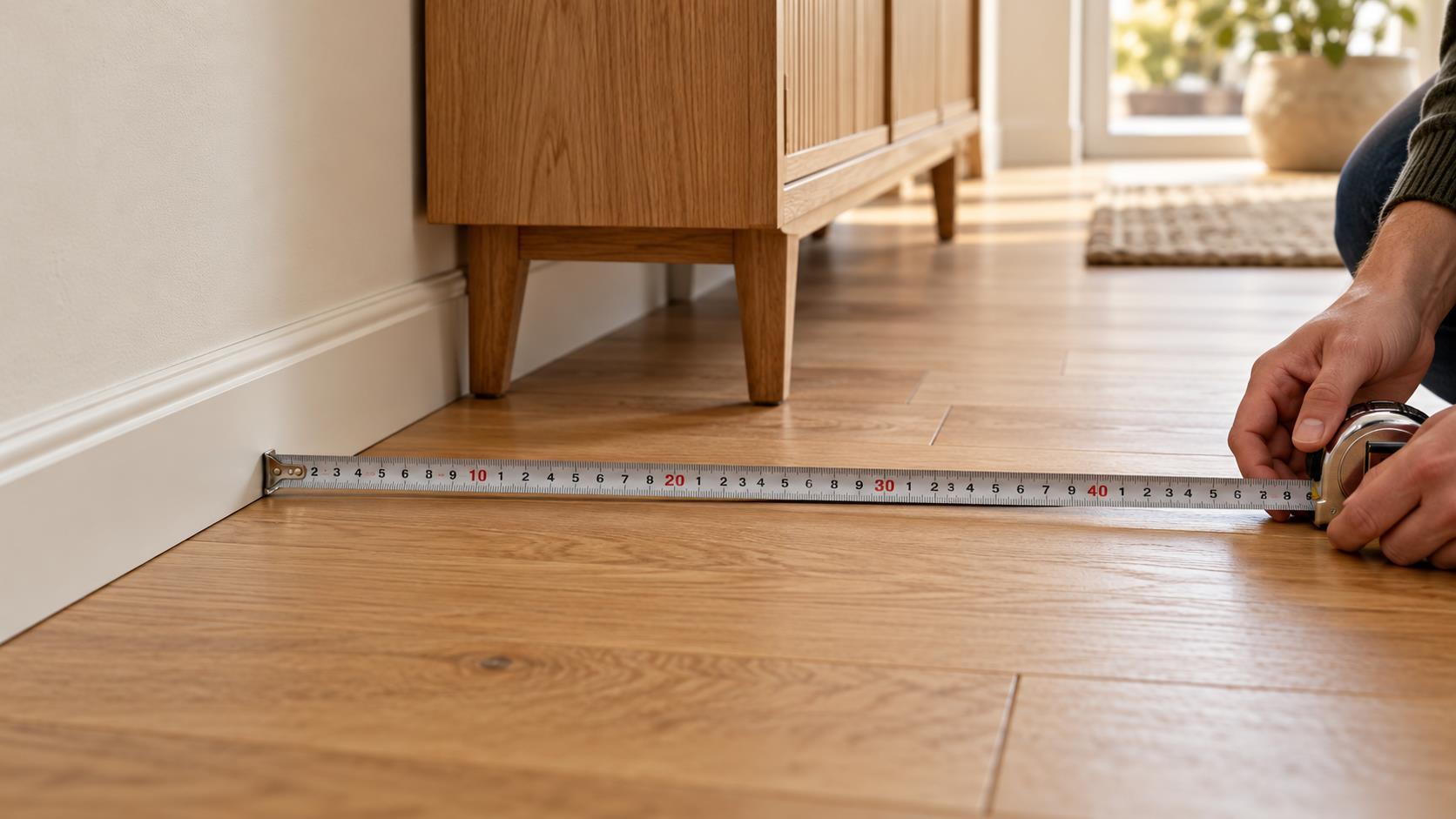
You don’t need to be an expert to tell the two purchases apart. Four simple checks are enough: what function it solves, whether you already have something that covers it, whether it fits the space and whether the total cost fits your budget. All four together sharpen the decision.
These checks are not an exam. They are a way of thinking before paying. If one of them is not clear, the answer is not “don’t buy”: it is to confirm the data, compare another option or wait for the right moment. A useful purchase is also built by waiting.
Putting this idea into practice
The next time you hesitate, write in one sentence what problem the purchase solves and what happens if you don’t make it. If the sentence is concrete and the answer makes sense, go ahead. If they aren’t, wait or compare. Two minutes of clarity save months of a piece you don’t use.
And if the purchase is for taste, do the same: write down what it brings you and which budget it fits. Conscious taste is a form of utility. Recognising that is part of good judgment.
How this relates to planning and shopping lists
This article explains what a useful purchase is. It does not develop the full priority and budget plan, nor a seasonal shopping list. Those topics have their own space and it is best not to duplicate them here.
If you are looking for how to organise your home purchases in phases, the article on preparing household purchases sets out the method step by step. If you are looking for a specific selection with product-by-product checks, the guide on purchases before Black Friday (ES) brings those together. This text stays on the concept and the signs that help you recognise it.
Conclusions for deciding better
The difference between a useful purchase and an impulse buy is almost never in the object: it is in having thought about what it adds, whether it fits and whether you need it. Utility includes the functional and the aesthetic. It is not a moral label or a test you have to pass to deserve a purchase.
When in doubt, go back to the four parts: a recognisable need, an intended use, a physical fit and an affordable cost. If all four are there, buy with peace of mind. If one is missing, confirm it or wait. And if the purchase is for taste, recognise that too: it is a valid reason when decided calmly.
Frequently asked questions about a useful purchase
Does a useful purchase always have to solve a problem?
Not always. It can also bring aesthetic enjoyment or improve how a room feels. Utility includes conscious taste.
Is buying for taste an impulse purchase?
Not by default. It is an impulse if it comes from the moment without thinking about what it adds. If you have assessed it calmly and it fits your budget, it is a valid decision.
Can I apply this criterion to any product?
Yes, although the specific checks change with the product. For a lamp, check light and placement; for dinnerware, capacity and cleaning; for furniture, measurements and opening.
What should I do if I am torn between two options?
Go back to the four parts and check which of the two meets them better. If a piece of data is missing, confirm it with the seller. If the cost does not fit, wait or compare another option.
Discover more from Unique trends in fashion, home décor, lifestyle, and gifts
Subscribe to get the latest posts sent to your email.