
You probably have in mind that lamp that would give the living room a whole new light, that dinnerware set that would open the door to weekend dinners, or that rug that would pull the sofa corner together. You want to get it right, not just accumulate. Preparing household purchases is exactly about that: choosing calmly so the piece you buy stays with you for years, not about holding back your wish to improve your home.
Here is a simple four-step method. With it you can define what you really want, review what you already have, check the available space and buy with confidence. Getting it right shows every day: in comfort, in the look of the room and in how much you enjoy each corner.
Start with what makes a useful home purchase if you are still deciding what you need.
What it means to furnish your home with good judgment
Furnishing with good judgment means choosing with the way you live in mind. It is not about piling up objects but about adding pieces that fit the way you use your home. A home that works is one that lets you enjoy every room without effort, not one that stores more things.
There is a difference between storing and organizing. Storing is pulling something out of sight in a hurry, like shoving papers into a drawer. Organizing is building a comfortable system that lets you find, use and put back each item with little effort. You notice the difference every morning.
Think of two specific cases. If you are going to buy a floor lamp, check where it will go so it lights the area well and does not cover an outlet. If you are going to buy an accent cabinet, measure its drawers so your things will fit without forcing. Ask yourself what concrete improvement that piece will bring to your daily life.
Step 1: Telling a real need apart from temporary clutter
The first step is separating a real need from temporary clutter. It is normal to see things piling up on the living room table, the entryway console or the kitchen counter. The immediate temptation is to buy a new storage bin, as if that alone would solve everything.
Before deciding, observe your home for several days. Notice whether you waste time looking for things or whether you have to move items aside to cook, work or rest. Sometimes it is enough to assign a fixed spot; other times the need is real and justifies a purchase that makes daily life easier.

For example, if tablecloths end up crumpled on a chair, they may just need a specific shelf. If the living room light is not enough to read in the armchair, the need is real and deserves an accent lamp that lets you read comfortably. Identifying the exact problem helps you buy better and enjoy what you choose.
Step 2: Reviewing what you already have before buying
Before looking in stores, check your closets, drawers and storage rooms. It is common to keep boxes, covers, trays or lamps you stopped using after other reorganizations. Those items can solve your current need and leave room in the budget for the piece you do want to bring in new.
Reusing what you already own can be practical, but it is not mandatory. Gather what you want to organize on a clean table and assess whether what you have fits your routine. If the stored alternative does not convince you or does not fit the room aesthetically, buying a well-thought-out new piece is also a valid and common decision.
For example, if you want to organize tableware, try grouping mugs on a wooden tray you are not using. If you want to tidy desk cables, check whether they fit in a fabric pouch you already own. If they do not, you will know exactly which features to look for on the market and you will get it right faster.
Step 3: Checking space, access and passage
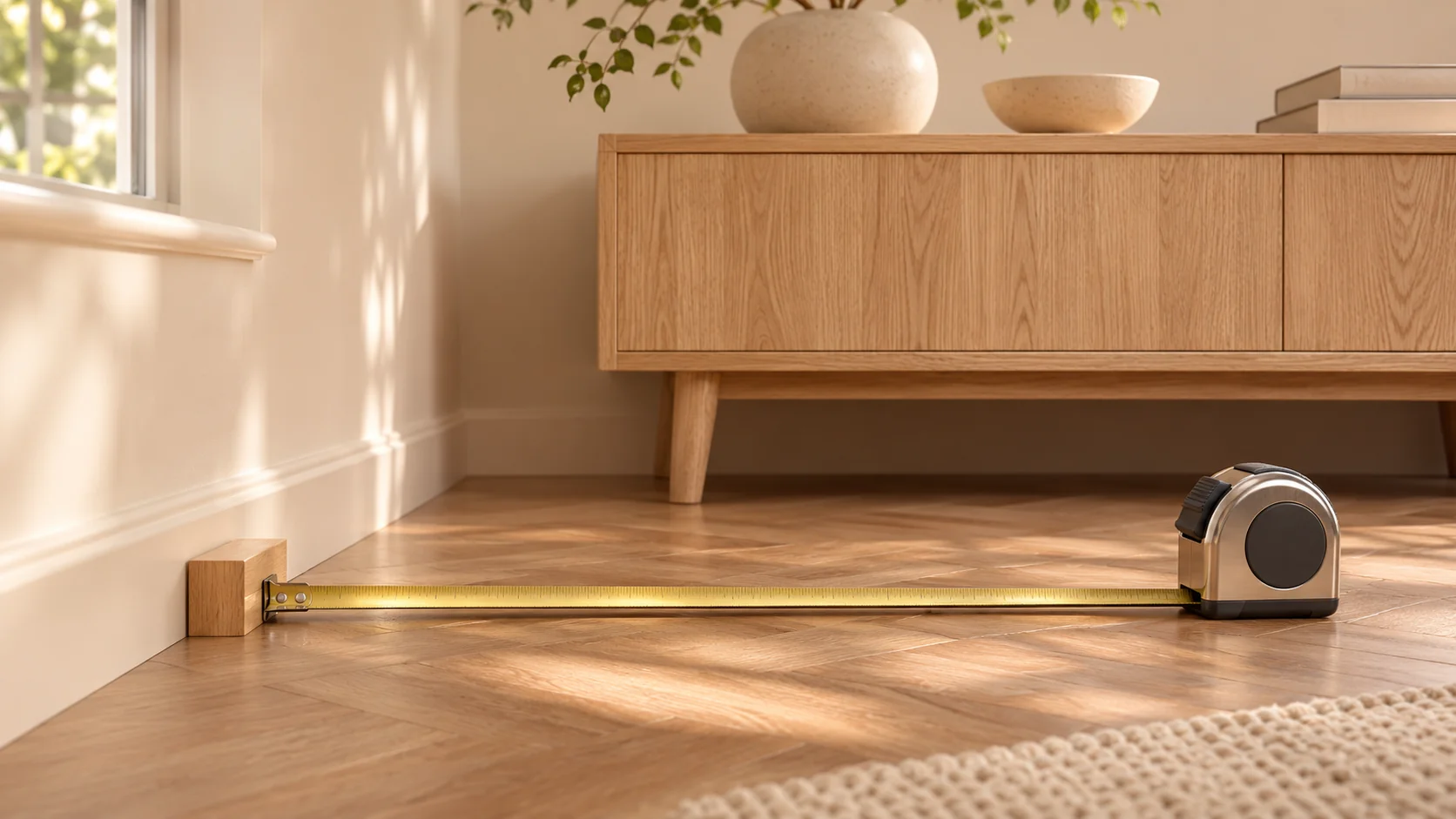
Before buying, it is worth looking at the available space, but what you need to check changes with the product. A lamp is not measured like a curtain, a set of mugs or a shelf. Checking the fit is not an exam: it is how you make sure the piece you want will look right and be used with pleasure.
With each piece, review what really affects its use. For example, if you are going to buy a piece of furniture, measure the spot, the opening and the free passage. If you are going to buy a curtain, check the drop, the window width and the cleaning. If you are going to buy a lamp, check the outlet, the height and where the light falls.
For tableware and dishes, verify the cabinet capacity and how often you use them. For a rug or home textile, measure the free space and confirm that it can be cleaned easily. That way every purchase answers your real use and your wish for a more comfortable home that feels like yours.
Step 4: Designing your purchase plan by priorities and budget
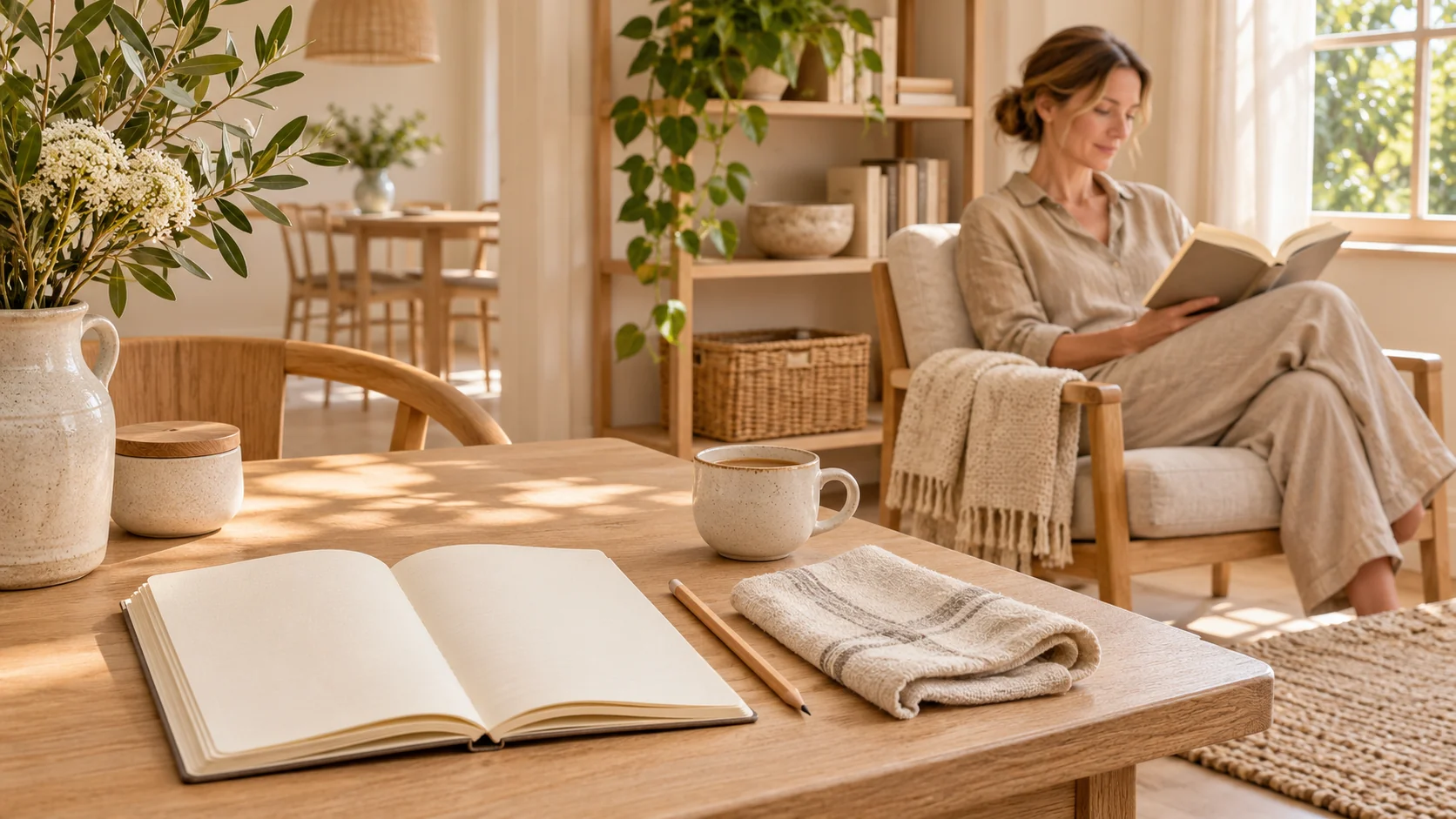
When you confirm the need is real and the space fits, it is time to organize the purchase within your budget. Buying without order often drains money on secondary accessories and leaves the improvements you were most excited about pending.
To stay in control, sort your purchases by urgency and by enthusiasm. Separate what you need to solve now from optional upgrades or aesthetic treats, without demonizing taste. Calculate the real total cost, including shipping, assembly and extras such as bulbs, wall anchors or covers.
For example, when buying an accent lamp, add the price of the bulb or the light point if it is not included. Set your own schedule based on your budget and time. You will enjoy the piece more when it arrives at the right moment and you can install it without rushing.
When to buy, when to wait and when to compare another option
With your review on the table, it is time to decide clearly. There are three paths and none is the right answer by default: each has its moment depending on what you are looking for.
BUY is a good decision when you have enough information, the product is useful to you or you really like it and the total cost fits your budget. For example, if you are looking for a reading lamp for the armchair, you have a free outlet, the size fits and the price is affordable, the purchase will give you immediate enjoyment.
WAIT makes sense if relevant product data is missing, such as the size of a textile, the capacity of a tableware set or the type of light from a lamp. Also if you are going to reorganize the room soon. For example, if the base diameter of an accent table is missing, confirm it before paying.
COMPARE ANOTHER OPTION makes sense when the product does not fit the intended use, adds nothing new or the total cost is not affordable. Also when you can solve it with what you already have or when taste does not justify the expense. For example, if an accent table makes access to the terrace difficult, look for another option that fits and lets you enjoy it.
For practical examples, explore 7 home purchases to consider before Black Friday.
What to check based on what you want to buy
This method adapts to different equipment categories. Although each object has its particularities, the important thing is to review what really affects that product so you can enjoy it without surprises.
In lighting, think about the mood you want to create and how you will use the light. For example, if you are going to buy a floor lamp for the sofa, check that the base sits well, the cord reaches the outlet and the light does not glare when reading. Also make sure the arm reaches the reading area without getting in the way.
In textiles and curtains, check the size, fabric, drape and ease of washing. For example, if you are going to buy linen curtains for the living room, confirm that the width covers the window, that you can open it without them catching and that cleaning fits your routine.
In tableware and dishes, think about capacity, frequency of use and cleaning. For example, if you are going to buy breakfast mugs, check how many you need, whether they fit in the cabinet and whether they can be washed like the rest of your dinnerware.
In home decor and textiles, such as cushions, rugs or blankets, assess the aesthetics, care and proportion with the room. For example, if you are going to buy a rug for the living room, measure the free space between the sofa and the table and check that it can be cleaned easily.
In furniture and accessories, review measurements, opening and free passage. For example, if you are going to buy a coat rack for the entryway, check that hanging clothes do not hit the door when it opens.
How to make the most of sales and confirm real prices
In sale periods it is worth looking at the final price and not just the percentage on the tag. A big discount on a product you do not need is still an expense. On the other hand, if it was already on your list and fits, a good offer is a real opportunity.
Before buying, compare the price with what that type of product usually costs and with what you are willing to pay. Also check whether shipping, assembly or extras make the operation more expensive.
For example, if you see organizers discounted by half and they were on your list, checking the final price helps you take advantage of the offer with confidence. Buying what you have calmly assessed makes every euro bring real value to your home.
Evaluation checklist to choose and buy with confidence
BEFORE YOU BUY
Evaluation checklist to choose and buy with confidence
Fill in the four fields and answer the five checks before deciding on your purchase.
Your answers are not sent anywhere or saved when you reload this page.
Conclusions for choosing better
Furnishing your home is a process that calls for patience and practical sense. When you understand that every object takes up physical and mental space, you manage your purchases better and choose with more peace of mind.
Function usually comes first, but taste also counts if you choose calmly and it fits your budget. A clear space adapted to your habits brings well-being; a piece you genuinely like does too.
We encourage you to use the evaluation checklist in this same guide to choose your next purchase with confidence. Fill in the four fields and answer the five questions: if the answers add up, buy; if not, wait or compare another option.
Frequently asked questions about household purchases
How do I know whether I need an accent lamp or whether the general light is enough?
If reading, working or cooking casts your shadow on the surface and strains your eyes, an accent lamp can help. Ceiling light illuminates the room; a localized lamp can improve the work area if you place it well.
What should I do if the store does not show the usable measurements or the depth of a piece of furniture?
Do not assume the interior matches the exterior measurements in the catalog. Ask the seller for the exact data. If they do not provide it, apply the decision to wait or compare another option.
Is it wrong to buy a decorative item or a textile just because I like it?
No. Aesthetic purchases are valid if you make them calmly. The important thing is to measure the space and confirm that the object fits your routine and the room.
How do I avoid overspending during sales or Black Friday?
Prepare your list of needs and review the checklist weeks in advance. Compare the final price of what you had already assessed and take advantage of the offers that fit your plan.
Discover more from Unique trends in fashion, home décor, lifestyle, and gifts
Subscribe to get the latest posts sent to your email.